Overview
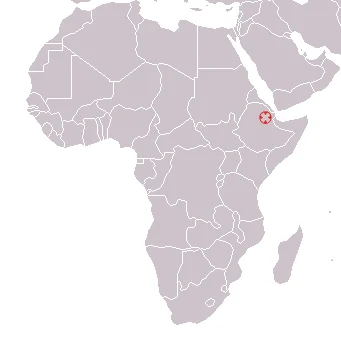
Australopithecus afarensis is an extinct species of australopithecine which lived from about 3.9–2.9 million years ago (mya) in the Pliocene of East Africa. The first fossils were discovered in the 1930s, but major fossil finds would not take place until the 1970s. From 1972 to 1977, the International Afar Research Expedition—led by anthropologists Maurice Taieb, Donald Johanson and Yves Coppens—unearthed several hundreds of hominin specimens in Hadar, Afar Region, Ethiopia, the most significant being the exceedingly well-preserved skeleton AL 288-1 ("Lucy") and the site AL 333 ("the First Family"). Beginning in 1974, Mary Leakey led an expedition into Laetoli, Tanzania, and notably recovered fossil trackways. In 1978, the species was first described, but this was followed by arguments for splitting the wealth of specimens into different species given the wide range of variation which had been attributed to sexual dimorphism (normal differences between males and females). A. afarensis probably descended from A. anamensis and is hypothesised to have given rise to Homo, though the latter is debated.
A. afarensis had a tall face, a delicate brow ridge, and prognathism (the jaw jutted outwards...
A. afarensis had a tall face, a delicate brow ridge, and prognathism (the jaw jutted outwards...
Video
Sounds
Pronunciation recording of German noun "Australopithecus afarensis". Male voice, recorded by native German speaker from Berlin, Germany.Jeuwre · CC BY-SA 4.0
References
- GBIF Auto Sync GBIF
- Wikipedia — Australopithecus afarensis Wikipedia
No published comments yet.